



Listen to the article
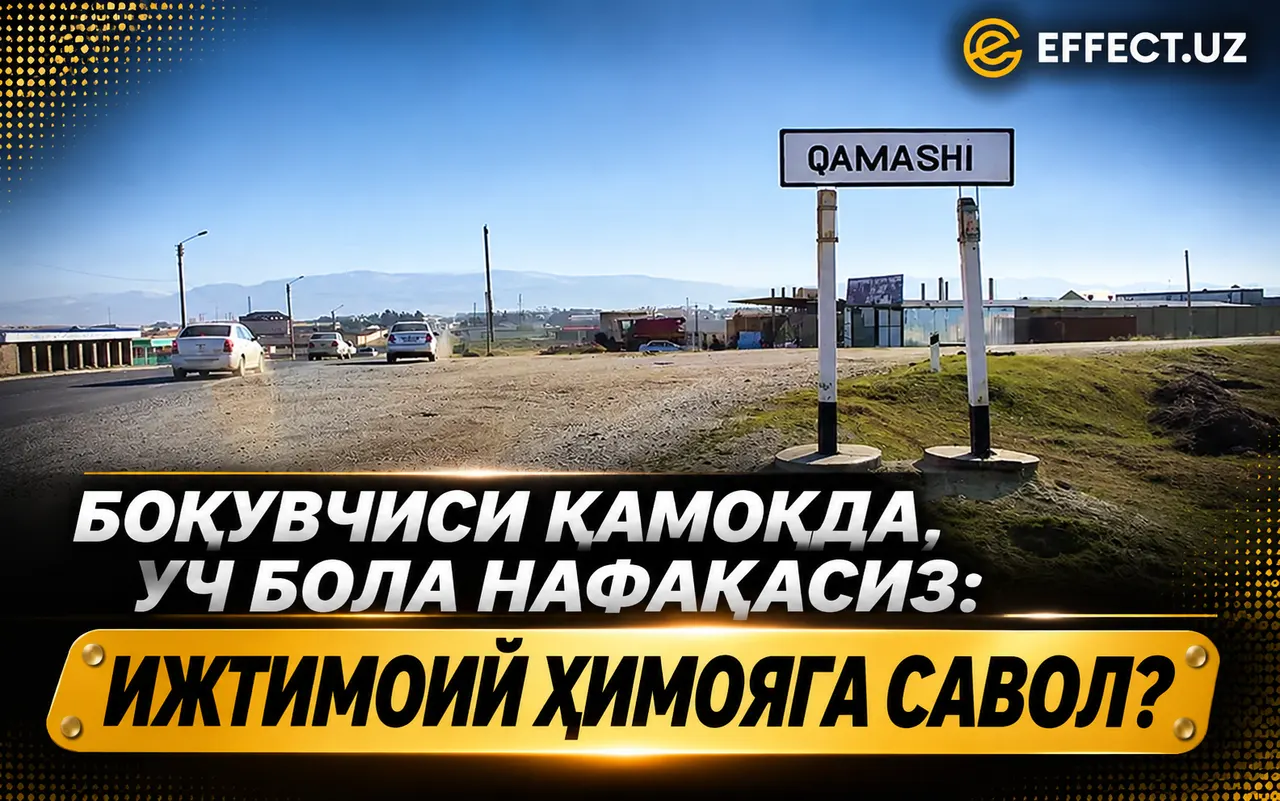
A family in Qaltotoy village, Qamashi district, Qashqadaryo region, has gone without state child benefits for four months because a power of attorney linked to a car the family says it has never owned or used appears in a notarial database under their name — and that single record has been enough to trigger an automatic rejection from Uzbekistan’s social-scoring system.
The household’s breadwinner, identified as J. Pardayev, is currently in detention. His partner is raising three minor children alone. The family applied for child welfare payments but was refused on the grounds that the scoring system detected what it classified as an asset — a power of attorney over a vehicle — that placed them above the eligibility threshold. The family insists the car does not belong to them, that they have never used it, and that the document was registered in the notarial database in error.
A Power of Attorney Is Not Proof of Ownership
The legal distinction matters. A power of attorney authorises someone to act on behalf of a vehicle’s owner; it does not transfer title. Under Uzbek civil law, possession of such a document does not make the holder the owner of the asset. Critics of the case argue that treating a power of attorney as evidence of property — and therefore as a measure of household wealth — lacks both legal and factual grounding, and that the basis for the rejection should be reviewed against those standards.
The case was brought to the attention of Effect.uz, which has called on the National Agency for Social Protection to investigate the complaint, verify the actual status of the vehicle document, and issue a formal response on whether the rejection was lawful. The publication also asked the agency to examine what steps, if any, the family’s assigned social worker and the local mahalla committee — the neighbourhood governance body responsible for welfare referrals — took before and after the automated refusal was issued.
When the Algorithm Replaces the Social Worker
The complaint raises a broader question about how Uzbekistan’s welfare system functions in practice. The country has invested heavily in digitising social protection, using an automated scoring model to assess household eligibility. Proponents argue the system reduces corruption and speeds up decisions. Critics, including the complainant in this case, say it can produce outcomes that are factually wrong and that local officials have stopped exercising independent judgment, treating a system-generated rejection as the end of the matter rather than the beginning of an inquiry.
A social worker’s statutory role includes assessing a family’s real living conditions, identifying need, and facilitating access to support — not simply relaying what an electronic record says. In a household where the primary earner is incarcerated and the mother is solely responsible for three children, the argument that a disputed power of attorney document should override a field assessment of genuine destitution is difficult to sustain on welfare-policy grounds alone.
The National Agency for Social Protection has not publicly responded to the case. Effect.uz has formally requested that the agency conduct an on-site visit to the family, clarify the legal basis on which the vehicle document was used to deny benefits, and provide an official position on the matter.