



Listen to the article
President Shavkat Mirziyoyev has directed that private operators be brought into electricity distribution management in the Jizzakh and Tashkent regions, extending a public-private partnership model that has been running in Samarkand. The announcement, reported by Spot.uz on 16 October 2026, came alongside new tax incentives for energy storage investors and a commitment to attract private capital into the modernisation of pumping stations and social infrastructure.
The expansion follows a June 2025 announcement at the Tashkent International Investment Forum, where Mirziyoyev signalled plans to bring private operators into electricity grids across eight additional regions by 2026. The latest statement names Jizzakh and Tashkent regions as the next to adopt the approach already in use in Samarkand.
Tax Breaks for Energy Storage
Investors in energy storage projects will be eligible for property tax and land tax exemptions for periods of up to 10 years. To remove ambiguity over which projects qualify, the government plans to amend the Tax Code to require that a storage complex be accompanied by substations and auxiliary infrastructure before the exemptions apply. The president framed the broader push in terms of efficiency, noting that the cheapest energy is energy that is saved.
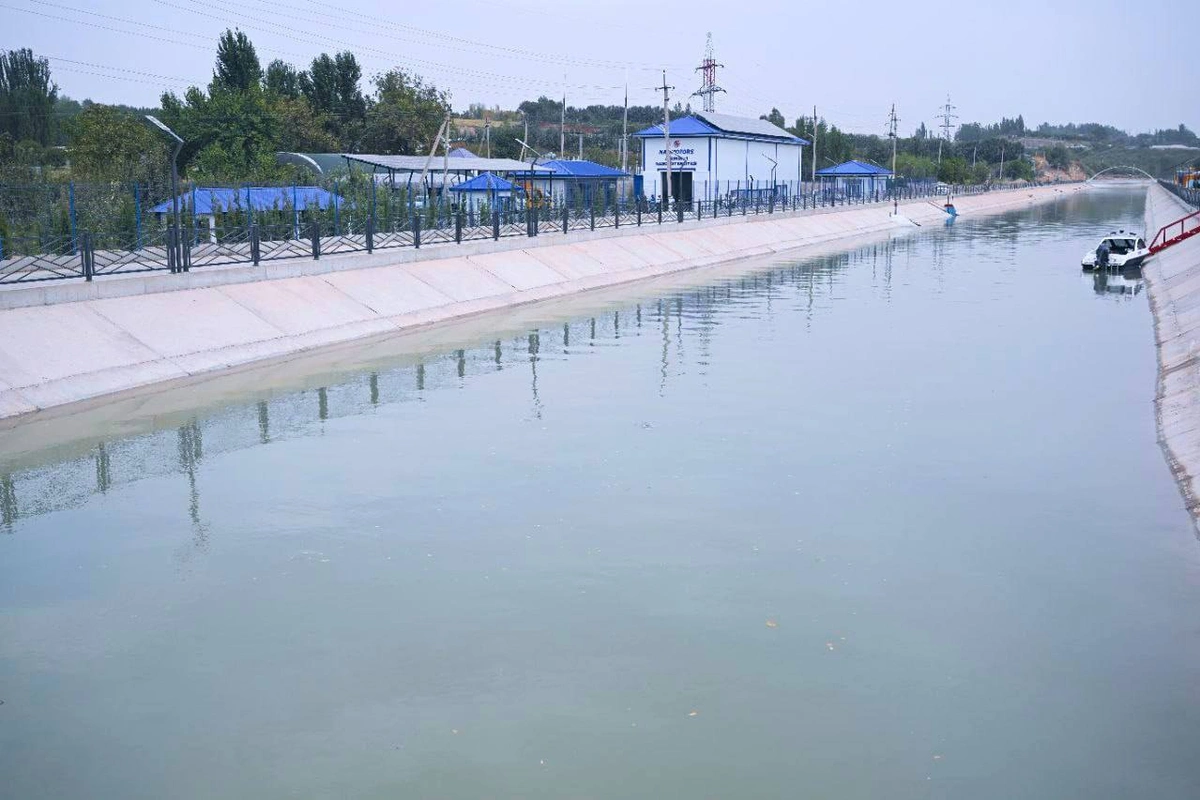
Private capital will also be sought for the modernisation of social facilities and pumping stations through energy-saving technologies. Under this arrangement, businesses stand to benefit financially from both energy savings and carbon credits, according to Mirziyoyev.
The Samarkand Template
The model being replicated is anchored in the Samarkand deal concluded in November 2025, when the Ministry of Economy and Finance announced that the Samarkand regional electricity network had been transferred to the management of Turkish company Aksa Enerji. The company was selected as the winner of an international tender that had launched a year earlier, with the International Finance Corporation participating in the process.
Under the agreement, Aksa Enerji will operate the infrastructure for 30 years under a state-private partnership structure. The company disclosed in its 2025 annual report plans to invest $1 billion in modernising the network over the life of the contract. The Ministry of Energy set a binding floor of at least $350 million in investment during the first 10 years, with a minimum of $27 million required within the first two years of handover. The private operator is also contractually obliged to reduce energy losses in the network.
A key feature of the arrangement is that the physical grid assets remain in state ownership throughout. The entity known as Regional Electric Networks retains the right to use the assets associated with the Samarkand grid without transferring ownership or granting the private partner any right of disposal over them. This structure is expected to serve as the legal and commercial template for the Jizzakh and Tashkent region deals.
Broader Energy Reforms
The grid privatisation push sits within a wider set of energy sector changes. Separately, the government has moved to adjust electricity tariffs for businesses, lowering daytime rates while raising nighttime rates — a measure intended to shift consumption patterns and reduce peak-hour demand on the grid.
No timeline has been announced for the tenders covering the Jizzakh and Tashkent region networks, and the specific social facilities and pumping stations targeted for private-sector modernisation have not been identified publicly. The pace at which the Samarkand model can be replicated will depend in part on whether international investors respond to the terms being offered, including the newly codified tax incentives for storage infrastructure.