



Listen to the article
Uzbekistan and Kazakhstan are in active discussions about allowing citizens of both countries to cross their shared border using national ID cards rather than passports, the Uzbek Foreign Ministry said following a bilateral meeting in Tashkent.
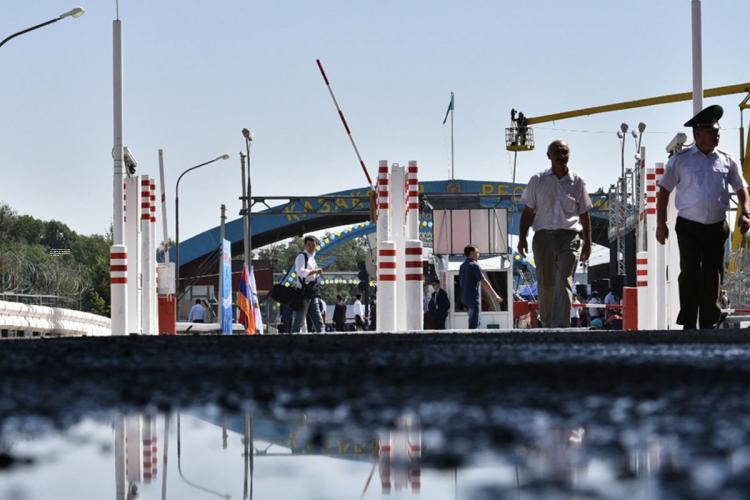
Deputy Foreign Minister Olimjon Abdullayev met Kazakhstan’s Ambassador to Uzbekistan Yeraly Tugzhanov to review a range of consular and mobility issues. According to the ministry’s press service, the talks covered the protection of the rights and legal interests of Uzbek citizens, the removal of obstacles at border crossings, and ways to ease mutual travel more broadly.
The ID-card proposal was among the specific items exchanged. The two sides also discussed the possibility of granting Uzbek citizens certain preferences within Kazakhstan’s forthcoming QazETA electronic entry-permission system, which Astana is preparing to introduce for foreign nationals. No timeline for either measure was announced, and the ministry described the exchanges as an ongoing dialogue rather than concluded agreements.
Labour migration featured prominently on the agenda. The officials reviewed the organised employment of Uzbek citizens in Kazakhstan, improvements to the bilateral legal and treaty framework governing labour mobility, and the creation of more favourable conditions for nationals of each country residing on the other’s territory.
At the close of the meeting, both sides confirmed their interest in continuing constructive dialogue and developing practical cooperation across all the areas discussed, the ministry said.
The talks reflect sustained attention in Tashkent to the welfare of Uzbek labour migrants, who travel to Kazakhstan in significant numbers. Uzbekistan has been broadening its network of bilateral labour agreements as migration to Russia — historically the dominant destination — has declined sharply in recent years.