


Listen to the article
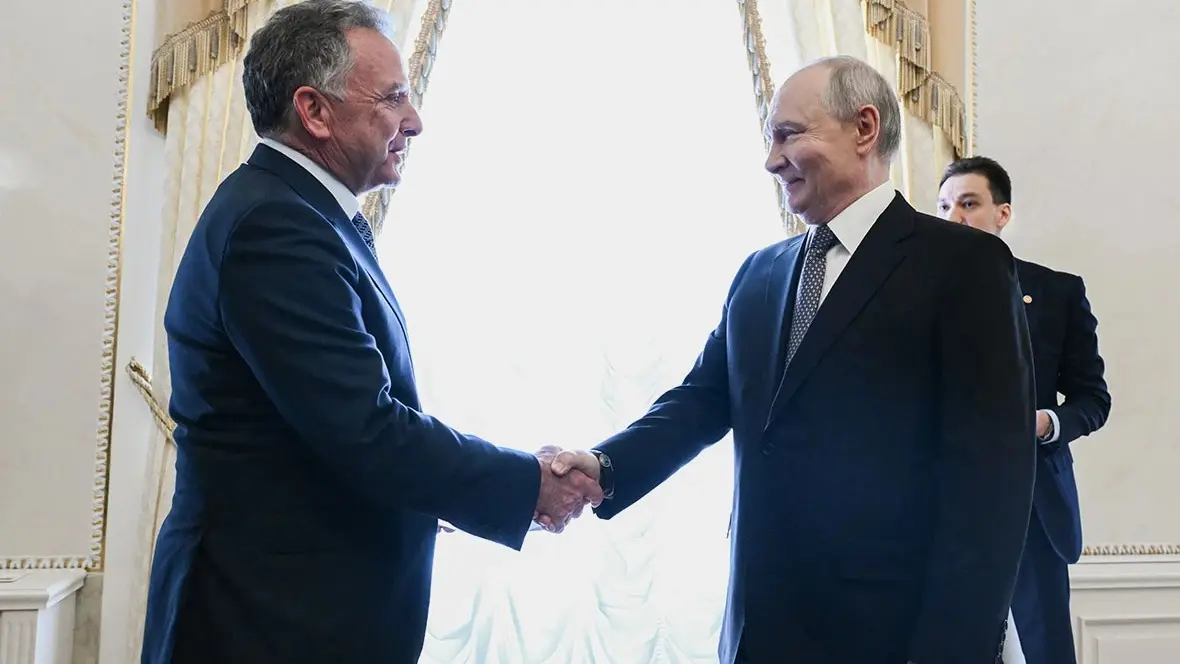
Steve Witkoff, the United States president’s special envoy, described his meeting with Russian President Vladimir Putin in St Petersburg on 21 October as constructive, while cautioning that significant work still lay ahead before any resolution to the war in Ukraine could be reached.
“Even though important work remains ahead, President Trump is as committed as ever to ending this war and achieving a comprehensive, lasting peace that will serve the security and prosperity of future generations,” Witkoff said after the meeting.
The day had begun in Oslo, where Witkoff met Ukrainian President Volodymyr Zelensky, Finnish President Alexander Stubb and Norwegian Prime Minister Jonas Gahr Støre on 20 October. He then flew to St Petersburg for a three-hour session with Putin before returning to Norway to brief participants on the outcome.
Documents, not a deal
According to the source reporting, the practical substance of the St Petersburg meeting was not the announcement of a ready agreement. Instead, Witkoff delivered documents to the Russian side setting out approaches to settling the conflict, and the two sides discussed the possibility of resuming trilateral consultations between Russia, the United States and Ukraine. The Kremlin described the talks as productive and indicated that the next round of such expert-level consultations could take place in Abu Dhabi in early November. The last comparable meeting was held in February.
The Abu Dhabi format, which was established in January 2026, was designed to allow simultaneous discussion of security, political and economic questions, with American participation intended to reduce the risk of the process collapsing. However, the working groups that met there skirted the central political questions: no movement was recorded on territorial issues, and the question of withdrawing Ukrainian forces from Donbas was not addressed.
Positions remain far apart
The fundamental obstacle between technical consultations and any binding agreement remains the gap between the parties’ stated positions. Moscow is holding to firm demands that Kyiv has sharply rejected. Neither side’s stance has shifted in ways that would allow the working groups to bridge that divide, and the prospective Abu Dhabi session is expected to focus on technical rather than political matters.
The shuttle diplomacy nonetheless marks a resumption of direct contact at a senior level after months without such exchanges, and the Kremlin’s willingness to name a potential venue and timeline for the next round suggests both sides see value in keeping the channel open, even as the core disagreements remain unresolved.