


Listen to the article
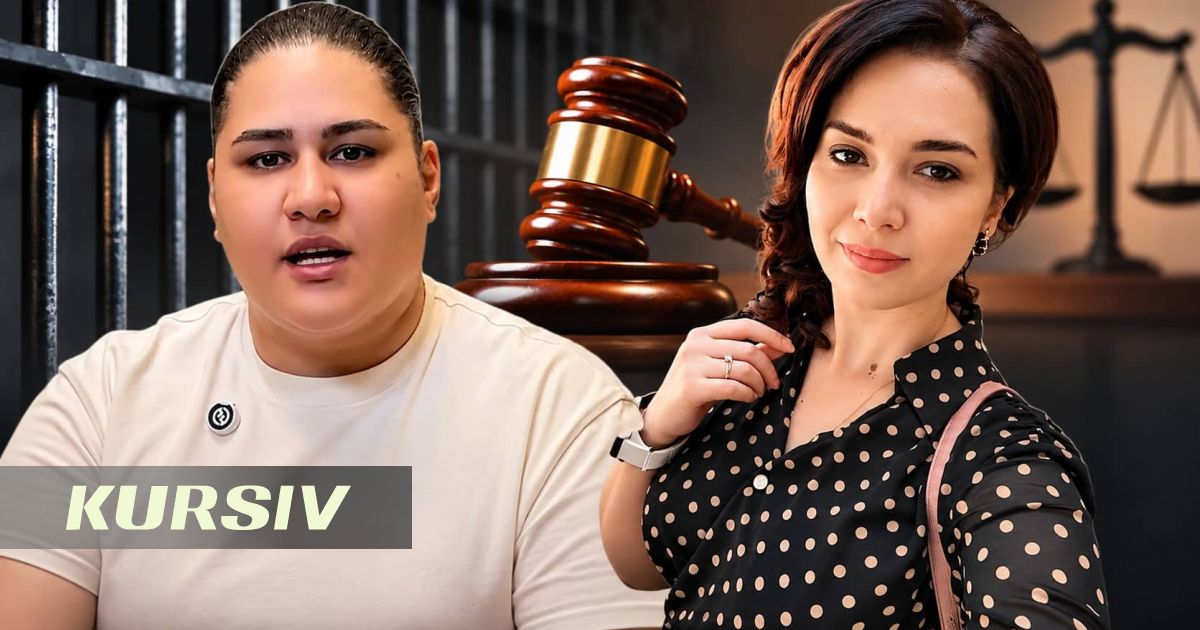
Tashkent’s appellate court has converted suspended sentences into real prison terms for blogger Komila Abduqodirova, known online as Kokow, and actress Barchin Gafurova, after finding both women guilty of insult and extortion in a case that grew out of a dispute over a cosmetic surgery procedure at a private clinic.
On 13 November 2026, the Tashkent City Court’s appellate chamber annulled the original verdict and issued new sentences. Abduqodirova received three years and six months in a general-regime penal colony; Gafurova received four years. A third defendant, Nihola Rajabova, was sentenced to four years and six months — an increase on her earlier term as well. All three convictions rest on Article 140, Part 3, Point A (insult) and Article 165, Part 3, Point A (extortion) of Uzbekistan’s Criminal Code.
From Operating Table to Criminal Court
The case traces back to March 2025, when Abduqodirova underwent liposuction and abdominoplasty at the Med Consultant clinic in Tashkent. She subsequently alleged that the procedures caused serious complications, including tissue necrosis, and that she required repeat surgeries. The clinic’s management disputed those claims, saying the operation had been performed free of charge and that any complications may have resulted from the patient’s failure to follow post-operative instructions.
The dispute escalated sharply in early April 2025. Abduqodirova visited the clinic to confront its director, Umid Aminov, filming the encounter and posting the footage to Instagram. Gafurova joined the campaign, publishing her own videos accusing the clinic and urging her followers to avoid it. According to reporting by Newshub.uz, Gafurova also attempted to enter the intensive care unit where Aminov was being treated, where she clashed with a National Guard officer.
The episode that prosecutors treated as extortion centred on a sum of $35,000. On 3 April 2025, Rajabova delivered Aminov an invoice from a Turkish clinic for that amount, which Abduqodirova said represented the cost of corrective treatment abroad. Investigators and the court, however, characterised the presentation of that financial demand as extortion.
Why the Appeal Changed Everything
The Chilanzar district criminal court had issued the original verdict on 16 June 2026, sentencing Abduqodirova to one year and six months of restricted liberty and Gafurova to one year and three months of the same — non-custodial punishments that allowed both women to remain free. Rajabova had already received a custodial term of three years and one month at that stage.
Both Rajabova and the injured party filed appeals against those sentences. The appellate chamber accepted the challenges, reheard the case, and concluded that the original penalties were insufficient. The result was a wholesale revision: where Abduqodirova and Gafurova had faced restrictions on their freedom, they now face years inside a penal colony.
The court also informed the injured party and other interested persons of their right to pursue civil claims for material and moral damages. The appellate verdict itself remains subject to further challenge through the procedures established by Uzbek law.