



Listen to the article
A wastewater treatment facility in Zangiota district, Tashkent region, has been found to have obstructed state inspectors, systematically falsified environmental reports and discharged inadequately treated effluent into the Bozsuv canal — violations that the National Committee on Ecology and Climate Change says pose a serious risk of environmental harm.
Laboratory samples taken on 11 and 13 November 2026 showed that the plant’s treatment efficiency had fallen to between 47.6 and 51.5 percent, well below the required 70 percent threshold. Of 13 pollutants tested, nine were recorded at levels several times above permitted norms.
Industrial Waste Accepted Without Pre-Treatment
Eco-police officers established that the facility had been accepting wastewater from industrial enterprises containing heavy chemical dyes and toxic substances without requiring those companies to pre-treat their discharges at source. Management had also failed to disconnect non-compliant enterprises from the network or to notify environmental authorities — obligations that are mandatory under Uzbek environmental law. The result was the release of insufficiently treated water directly into the Bozsuv canal.
The inspection also uncovered significant discrepancies in the plant’s official reporting. Annual wastewater volumes had been understated by 131.3 million cubic metres compared with 2023 figures — a reduction of 54 percent that investigators say does not reflect reality. Nine of 15 pollutant categories had gone entirely unreported in official submissions over a period of years. Additionally, 23,541 tonnes of waste generated annually at the facility — consisting largely of hazardous sediment — had been dumped in open areas rather than disposed of through the prescribed procedures.
Obstruction and Consequences
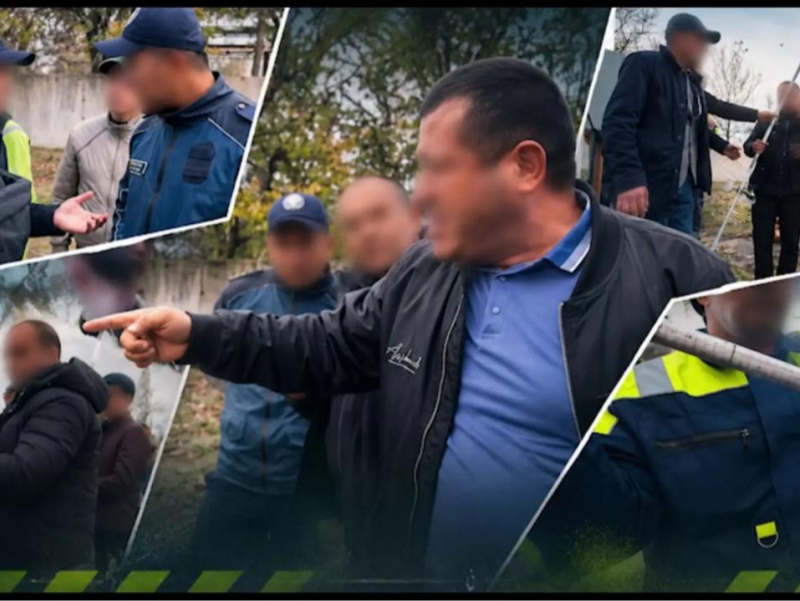
Inspectors say facility management actively impeded the state audit. On 17 November, officials refused to allow measurement of wastewater volumes, a step that eco-police describe as deliberate obstruction of oversight.
Financial sanctions and additional compensation payments to the public have been levied as a result of the confirmed violations. The plant has been issued a mandatory 15-point remediation order. Should the required corrections not be made within the set timeframe, eco-police say they will file a claim with the economic court to suspend the facility’s operations entirely.
A separate internal review has been opened into responsible officials at the Tashkent City Ecology Directorate, whose oversight duties covered the plant. The full body of evidence gathered during the inspection is to be forwarded to the Prosecutor-General’s Office for legal assessment.