


Listen to the article
Trade between Uzbekistan and the six Gulf Cooperation Council states reached $1.75 billion in 2025, nearly seven times the level recorded five years earlier, according to monitoring data published by the Eurasian Development Bank (EADB). Over the same period, accumulated direct investment from Gulf countries in Uzbekistan’s economy rose from $400 million in 2020 to $11.3 billion by mid-2026 — a more than 25-fold increase.
The EADB report positions Uzbekistan as the largest trading partner for Gulf states within Central Asia, accounting for roughly 45 percent of total trade between the two regions. Uzbekistan’s exports to the Gulf totalled $860 million in 2025, while imports came to $890 million, leaving the balance relatively even. The country sells primarily precious metals, mineral products and agricultural goods to Gulf buyers, and purchases electronics, machinery and equipment, aviation technology, and pharmaceutical and chemical products in return.
Renewables drive the investment surge
The composition of Gulf investment in Central Asia has shifted sharply toward electricity generation. The EADB notes that the energy sector’s share of total Gulf investment in the region climbed from 2 percent in 2020 to 34 percent by mid-2026, with accumulated energy-sector investment reaching $10.5 billion. Uzbekistan is the primary destination for this capital.
Among the projects cited in the report are a 500-megawatt wind power station in Zarafshan, a solar plant in Sherabad in Surkhandarya region, and additional solar and wind generation schemes elsewhere in the country. Saudi Arabia directs more than 95 percent of its Central Asian investment portfolio to Uzbekistan, with ACWA Power identified as the principal participant in those projects. The United Arab Emirates remains the largest single Gulf investor overall.
The EADB separately noted a risk attached to this renewable build-out: an earlier study by the bank warned that grid constraints could force curtailment of solar and wind output, with foregone generation potentially reaching 3.5 billion kilowatt-hours by 2028.
Logistics infrastructure expanding
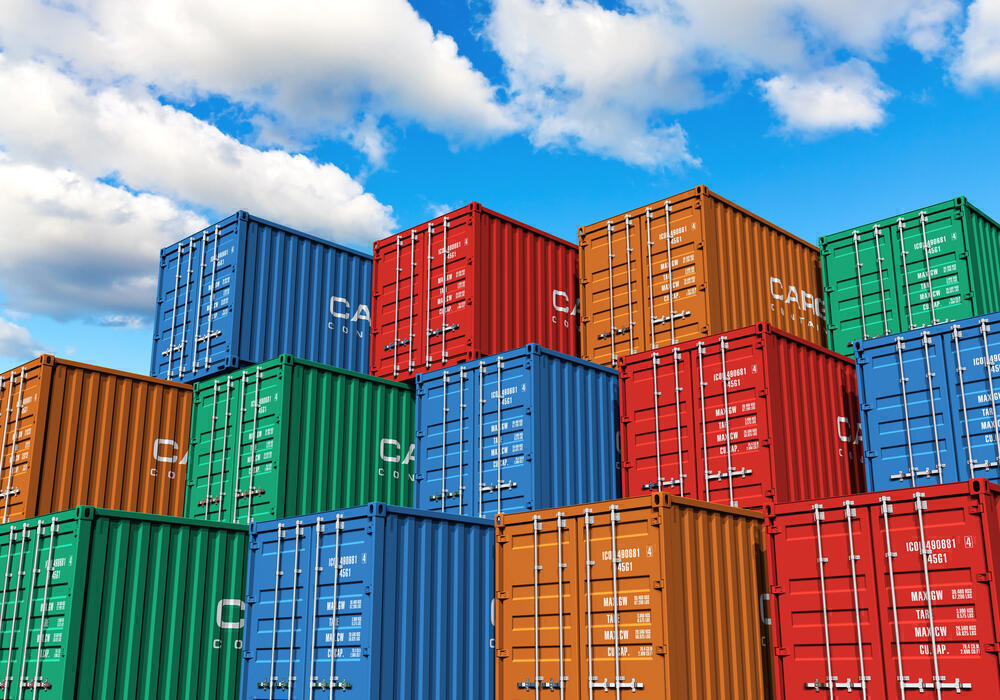
Alongside the investment flows, logistics links are being developed. In October 2026, the Emirati port operator DP World began construction of a dry port near Tashkent, a facility designed to include warehousing and container-handling capacity for cargo processing.
Across Central Asia as a whole, trade with the six Gulf states — the UAE, Saudi Arabia, Qatar, Oman, Kuwait and Bahrain — grew from $1 billion in 2020 to $3.9 billion in 2025. The EADB estimates an additional $4.9 billion in trade potential could be unlocked by 2030, but identifies high transport costs, insufficient warehousing infrastructure and difficulties in mutual recognition of standards as the main obstacles to realising that figure.