



Listen to the article
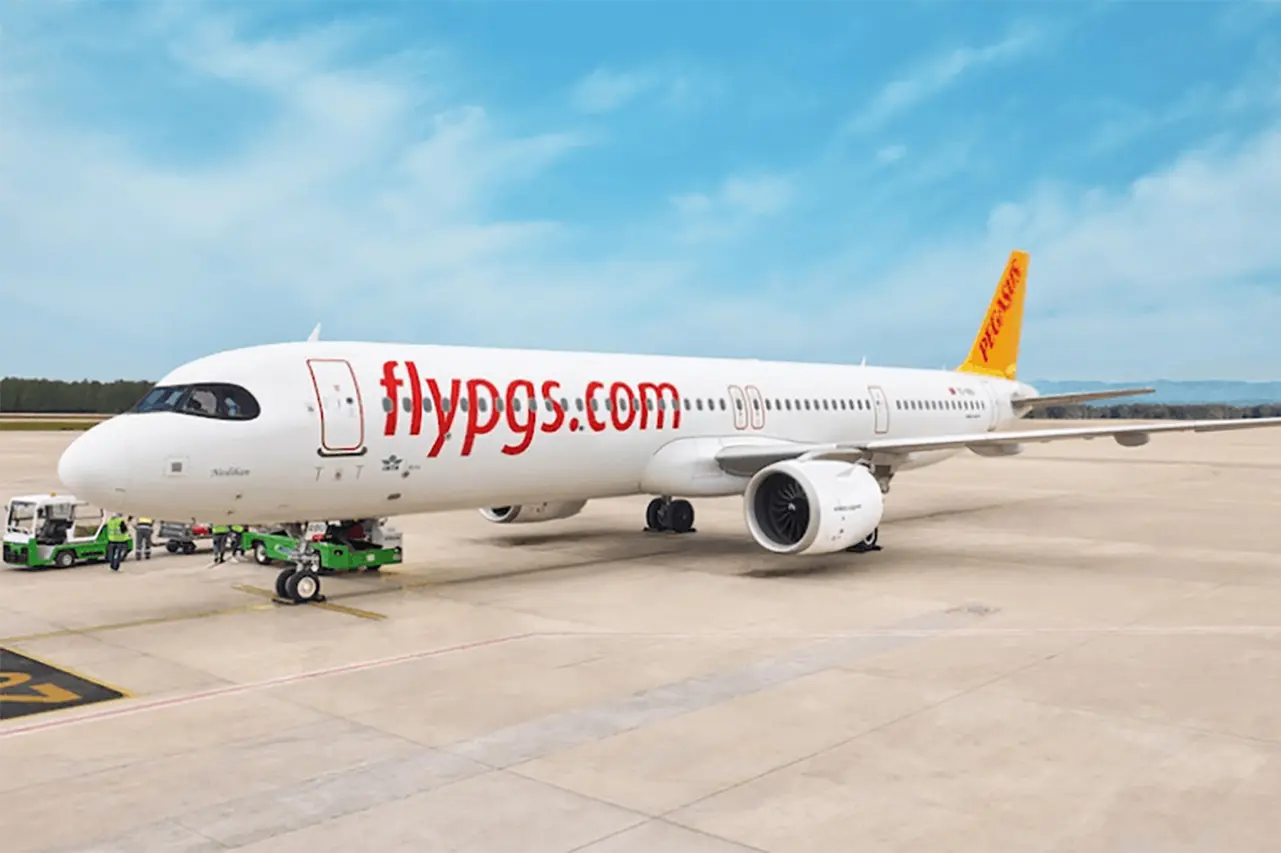
Turkish low-cost carrier Pegasus Airlines will open direct flights from Istanbul to Bukhara and Andijan in December 2026, followed by a third route to Termez in March 2027, Uzbekistan’s Tourism Committee announced on 12 November.
The first Bukhara service is scheduled to depart on 14 December, with Andijan flights beginning four days later on 18 December. The Termez route is set to launch on 1 March 2027. At the outset, Pegasus plans to operate three weekly flights to Bukhara and Termez and two weekly flights to Andijan.
The routes were announced on 11 November at a Pegasus Airlines presentation held in Tashkent, attended by representatives of the Tourism Committee. The agreements were reached during a working visit to Turkey by Tourism Committee chairman Abdulaziz Akkulov, who met with airline management to discuss expanding air connectivity, attracting transit passengers through Istanbul and promoting Uzbekistan’s tourism offer abroad.
Pegasus operates more than 160 destinations across 58 countries. The carrier’s Istanbul hub gives the new routes potential reach beyond Turkey, connecting travellers from Europe, the Middle East and other regions to Uzbekistan’s interior cities without a stop in Tashkent.
Each destination targets a distinct segment of the travel market. Bukhara draws visitors interested in Islamic architecture and Silk Road heritage; Andijan serves as a gateway to the Fergana Valley; and Termez, in the Surkhandarya region bordering Afghanistan, is known for Buddhist and pre-Islamic archaeological sites.
The two sides also agreed to explore joint marketing campaigns, familiarisation trips for travel industry professionals and business-to-business meetings with tour operators. Possible future routes to Karshi and Nukus were flagged as subjects for further discussion, though no dates or commitments were announced.