



Listen to the article
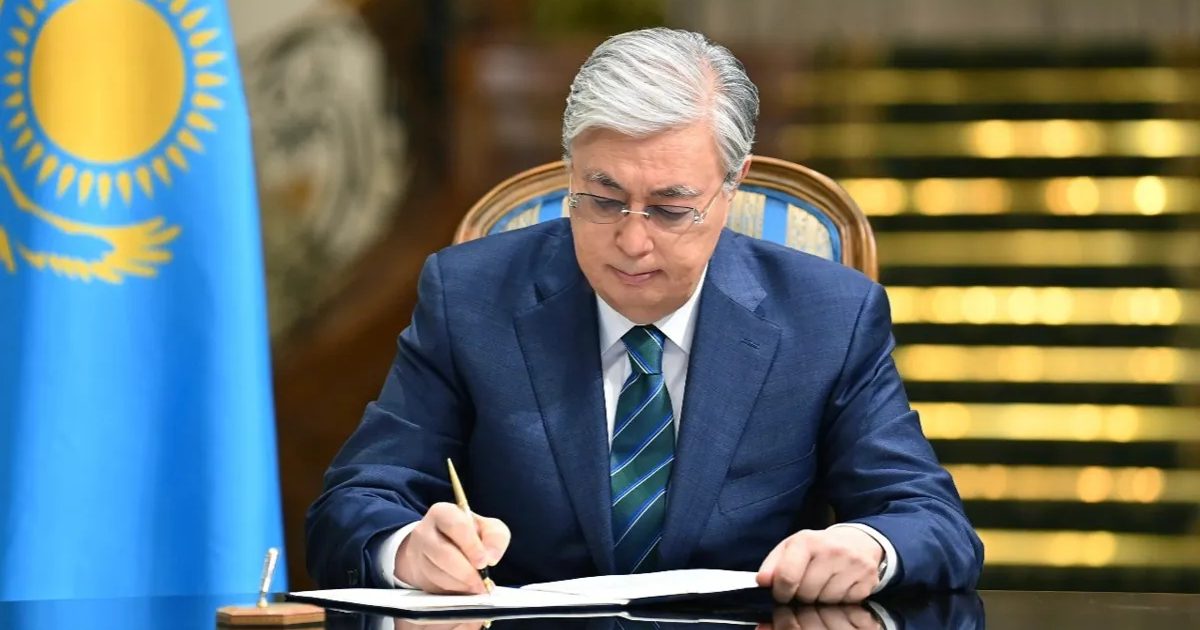
Kazakhstan’s President Kassym-Jomart Tokayev has dismissed Yermek Sagimbayev as chairman of the National Security Committee (KNB), replacing him with the agency’s deputy chief Marat Irmenov, according to the presidential press service as reported by Kazinform. The reshuffle came days after the KNB announced the detention of senior executives at two of the country’s largest state-owned enterprises on suspicion of corruption.
Sagimbayev had led the KNB since January 2022 and was reappointed as recently as August 2026. Irmenov, who had served as the committee’s deputy chairman since October 2025, was named acting head by a separate presidential decree.
Arrests That Preceded the Dismissal
The KNB had itself announced the detention of Nurlan Zhakupov, chairman of the sovereign wealth fund Samruk-Kazyna, and Elyas Otinshiyev, head of Kazakhstan Temir Zholy — the national railway operator — along with other individuals. All face investigative proceedings on suspicion of committing corruption-related offences.
Just three days before the dismissal, on 13 November, Tokayev met Sagimbayev to discuss the committee’s operations, including its anti-corruption work. Following that meeting, the president issued a series of directives on the activities of the national security services. The dismissal followed within days, suggesting the encounter did not resolve the president’s concerns about the agency’s performance.
Significance of the Shake-Up
The simultaneous exposure of alleged corruption at the apex of Kazakhstan’s state corporate sector and the removal of the security chief who oversees such investigations marks an unusually concentrated moment of institutional turbulence. Samruk-Kazyna controls stakes in the country’s oil, gas, uranium and transport industries, making its leadership central to the management of national assets. The railway company, similarly, is a strategic infrastructure operator. That both chiefs were detained under KNB authority — and that the KNB chief was then himself removed — points to pressure from the presidency for accountability to extend beyond the corporate sphere.
No charges have been filed publicly against Sagimbayev, and no official explanation for his removal beyond the broader context of the corruption proceedings has been provided.