


Listen to the article
Kazakhstan’s Committee for National Security detained the chairs of the country’s sovereign wealth fund and state railway company on November 11, in a corruption investigation that threatens to delay a long-anticipated public offering of Kazakh Railways and raises broader questions about corporate governance across the state-controlled economy.
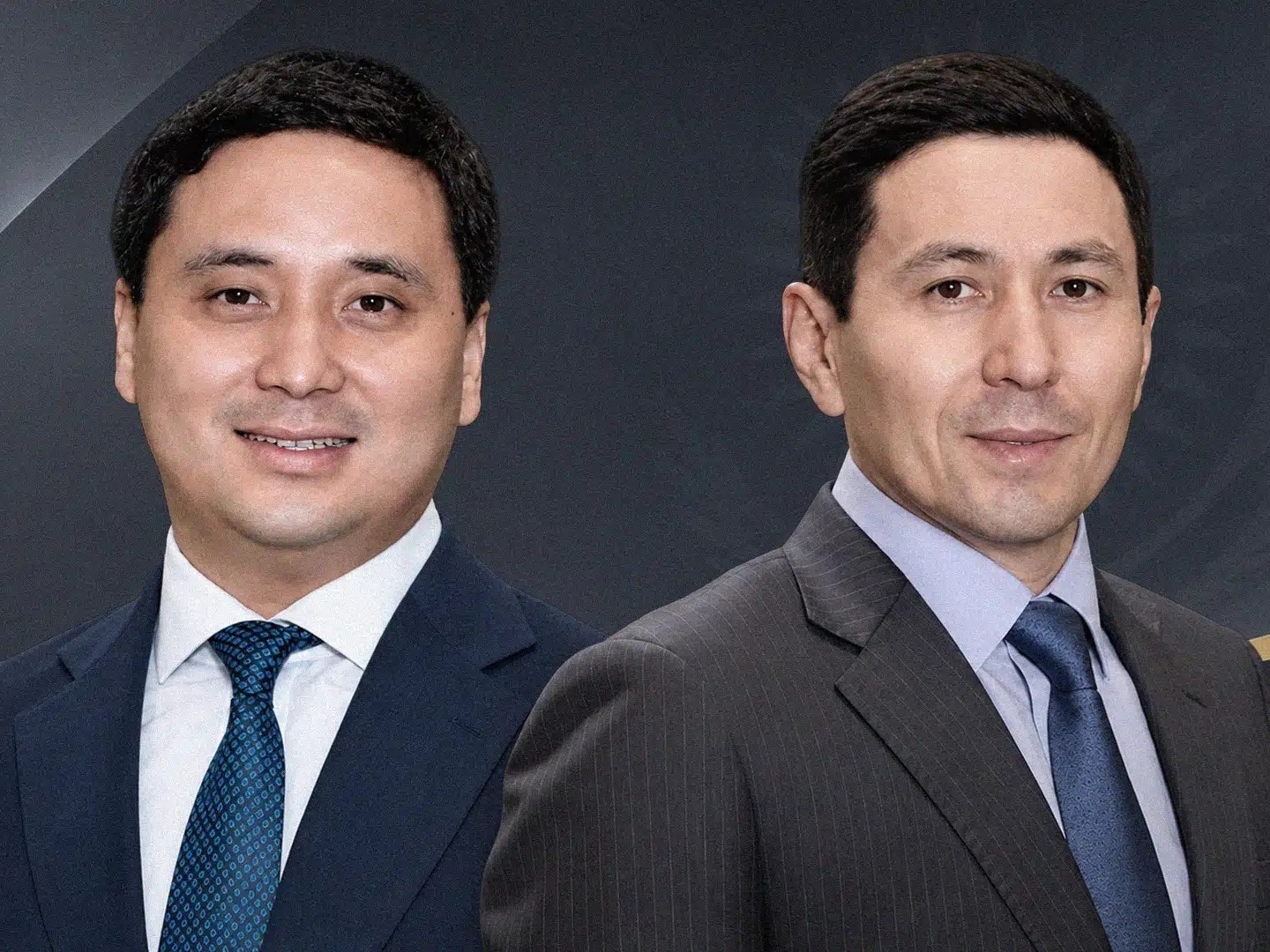
Nurlan Zhakupov, chair of JSC Samruk-Kazyna, and Elzhas Otynshiev, head of Kazakhstan Temir Zholy (KTZ), were taken into custody on the same day, though the KNB announced the detentions only on November 12. The security service said additional individuals had also been detained but declined to name them or identify which other corporate entities might be implicated, citing an ongoing criminal investigation. Video circulating on social media showed what appeared to be US banknotes scattered around a courtyard purportedly connected to one of the arrests.
The KNB offered no detail on the specific allegations. “An investigation is being carried out aimed at establishing all the circumstances of the case,” the agency said, according to Forbes.kz.
IPO in doubt
The most immediate commercial consequence may be the fate of KTZ’s planned initial public offering. Bloomberg reported that the corruption investigation will push back the listing, which had been scheduled for around the end of 2026. Railway officials had sought a total valuation of roughly $30 billion, with the IPO intended to place shares representing about 20 percent of the company on the market. Even before the arrests, the offering was contested: independent investment bankers had valued KTZ considerably below the figure put forward by railway management.
Otynshiev had taken the top post at Kazakh Railways only last July, having previously held senior positions at Samruk-Kazyna, which is KTZ’s sole shareholder. Zhakupov assumed leadership of the sovereign fund in 2023.
Fund’s reach across the economy
Samruk-Kazyna’s significance extends well beyond railways. The fund manages leading companies across oil and gas, transport, mining, telecommunications, electricity and nuclear power generation, as well as real estate, and reportedly holds roughly $69 billion in assets. It has also been tasked with overseeing the national rollout of artificial-intelligence solutions across government and state-run enterprises — an initiative President Kassym-Jomart Tokayev has elevated by declaring 2026 the year of AI.
In a briefing for Prime Minister Olzhas Bektenov on November 4 — just one week before the detentions — Zhakupov reported that Samruk-Kazyna’s revenues had risen 13 percent and net profit by 19 percent in the first three quarters of 2026. At the same meeting, Bektenov complained about delays in certain fund projects and instructed Samruk-Kazyna to exercise stricter oversight to ensure the timely commissioning of ongoing work, including new power generation capacity.
Following the arrests, Samruk-Kazyna issued a statement saying it would continue to operate as usual. “The Fund maintains its financial and institutional stability, continues to fulfill its strategic mandate and remains a reliable partner for both Kazakhstani and international investors,” the statement said.
The detentions carry implications for President Tokayev’s broader modernization agenda, which has relied heavily on Samruk-Kazyna as an instrument of economic reform. The arrests of two of the fund’s most senior figures — one of them its current chair — place corporate governance at the heart of Kazakhstan’s anti-corruption discourse at a moment when the state holding structure was being positioned as a vehicle for attracting foreign capital through the KTZ listing.