



Listen to the article
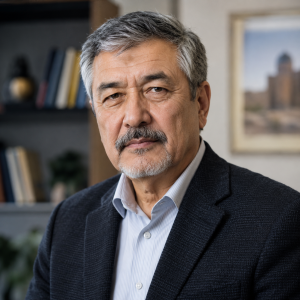
Uzbekistan has not yet recorded a case of the Omicron variant of COVID-19, but the strain’s rapid global spread makes its eventual arrival likely, a senior health official said on Saturday. Professor Nurmat Otabekov, deputy head of the Sanitary and Epidemiological Surveillance and Public Health Service and a doctor of medical sciences, made the remarks in a statement published by the Health Ministry’s press service.
Otabekov noted that Omicron had already been identified in neighbouring Kazakhstan and had been reported across 126 countries. “The geography of the spread of this mutation around the world has been rapidly expanding,” he said. “Given this, it is possible that the new strain will enter our country.”
He pushed back against what he described as alarmist content circulating on social media, saying that “spreading various false and baseless information through social networks, raising excessive panic among the population does not meet any criteria.”
Why officials say the system can cope
Otabekov pointed to two features of Omicron that he said worked in Uzbekistan’s favour: a shorter recovery period compared with earlier variants and a lower likelihood of hospitalisation. He also cited the experience accumulated by medical staff over previous waves of the pandemic — in reducing transmission, organising vaccination campaigns and treating patients — as evidence that the country is prepared for the risk.
He credited work carried out under the Republican Special Commission, the body overseeing the national pandemic response, as a further indicator of readiness.
The case against complacency
Despite that cautious optimism, Otabekov was explicit that the situation did not warrant relaxed vigilance. “It is no use being complacent,” he said, warning that Omicron is more contagious than previous strains and “can infect a large portion of the population in the short term.” He called for strict observance of quarantine rules and urged the public to participate actively in vaccination.
He also recommended reviving a practice used during earlier surges: distributing COVID-19 treatment kits through family doctors and clinics and managing mild cases on an outpatient basis. That approach, he argued, had previously helped prevent specialist hospitals from becoming overwhelmed and should be maintained as a precautionary measure.
The Republican Special Commission introduced a package of new restrictions in December 2021 specifically aimed at preserving epidemiological stability and blocking the entry of the Omicron variant into the country.